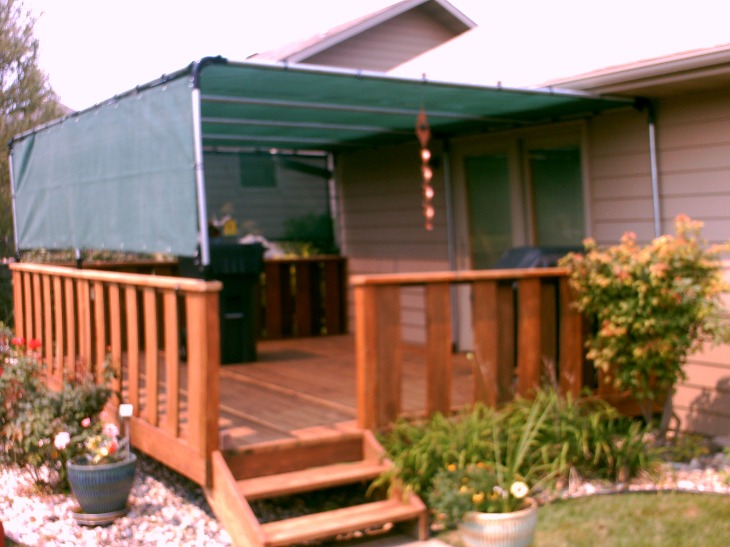
Choosing Materials, Styles, and Finishes for Long-Lasting Decks
Selecting the right materials and style for an outdoor deck begins with understanding how different options perform over time. Traditional timber offers natural warmth and character but requires regular sealing, staining, and inspections to resist rot, insect damage, and UV degradation. In contrast, composite alternatives combine wood fibers and recycled plastics to deliver superior durability and require far less upkeep. When weighing choices, consider factors like local climate, exposure to moisture, and sun intensity—each of these influences how finishes will age and what maintenance schedule will be realistic for homeowners.
Beyond material composition, board profile and texture are important aesthetic and functional decisions. Grooved boards enable concealed fasteners, which give a cleaner look and reduce trip hazards, while brushed or embossed grains can improve slip resistance and hide minor surface wear. Color stability is another key consideration; some modern composites are engineered with cap layers or color-through technology to resist fading and staining. For those who value a natural look but want low maintenance, hybrid options blend a real wood surface with a protective polymer shell.
Budget planning should take into account both upfront costs and lifecycle expenses. While natural wood may have a lower initial price point, long-term maintenance—staining, resealing, replacing damaged boards—adds to lifetime cost. Conversely, premium composite materials typically cost more upfront but save time and money on maintenance. For homeowners considering resale value, a well-constructed deck with high-quality materials and thoughtful finishes can increase curb appeal and extend functional outdoor living space for years to come. Integrating features such as hidden fasteners, aluminum framing, or drainage channels can also markedly improve longevity and performance.
Installation Techniques, Maintenance Plans, and Practical Cost Considerations
Proper installation is essential to ensure safety and maximize the lifespan of any decking system. Start with a solid substructure that accounts for local building codes, load requirements, and drainage patterns. Joist spacing, ventilation beneath the deck, and the use of appropriate fasteners all influence performance. Many manufacturers provide specific guidelines for screw types, spacing, and edge clearances to prevent buckling, warping, or premature wear. For composite materials, following recommended expansion gaps and end-to-end seams avoids movement-related issues as temperatures fluctuate.
Maintenance requirements vary by material but adopting a consistent schedule prevents small problems from becoming costly repairs. Regular sweeping, occasional washing with mild detergent, and prompt removal of leaves and debris reduce staining and mold growth. For wood decks, annual inspections for rot and reapplication of sealants or stains every few years are common. Composite decking typically requires less intervention—power washing on a low setting and periodic use of manufacturer-approved cleaners will keep surfaces looking fresh. Addressing fasteners, checking for loose boards, and monitoring railings and supports should be part of a homeowner’s seasonal checklist.
Cost considerations extend beyond materials to include labor, site preparation, and long-term maintenance. DIY installation may reduce upfront expenses for skilled homeowners, but hiring experienced professionals often ensures code compliance and warranty retention. When planning a budget, compare lifecycle costs: factor in periodic staining for wood versus occasional cleaning for composites, potential repairs from weather events, and the projected replacement timeline. Energy-efficient or low-reflectivity finishes can also affect local comfort and cooling needs for adjacent living areas, creating indirect savings over time.
Real-World Examples and Case Studies Demonstrating Performance and Value
Examining real-world projects helps clarify how different choices perform in practice. A coastal residence that replaced deteriorating pressure-treated lumber with a high-performance composite found that exposure to salt spray and UV light no longer dictated a yearly maintenance routine. Homeowners reported minimal color fading after several seasons and appreciated the reduced labor and materials costs compared to repeated sealing and repair. In another suburban renovation, installing grooved boards with concealed fasteners eliminated snag hazards and delivered a sleek, modern surface that improved both appearance and safety for children and pets.
Case studies also highlight how thoughtful design choices—like elevated joist systems and integrated drainage—resolved chronic moisture issues in shaded yards. By increasing ventilation beneath the deck and selecting materials that resist mold, the project avoided recurring mildew problems that had plagued the previous structure. A multi-unit property owner who invested in longer-warranty composite products experienced lower tenant turnover related to outdoor maintenance responsibilities and saw a measurable uptick in rental desirability, demonstrating that material selection can have tangible financial benefits in investment properties.
For product sourcing, many professionals and homeowners turn to reputable suppliers that offer a range of tested options. Detailed product comparison, sampling, and consultation with certified installers simplify decision-making. For example, exploring a curated selection of decking boards can reveal how different surface technologies, color palettes, and warranty terms match specific project goals. These real-world lessons underscore the value of aligning material properties, installation techniques, and maintenance plans to achieve durable, attractive outdoor living spaces.