Comprehensive Roof Repair and Leak Solutions
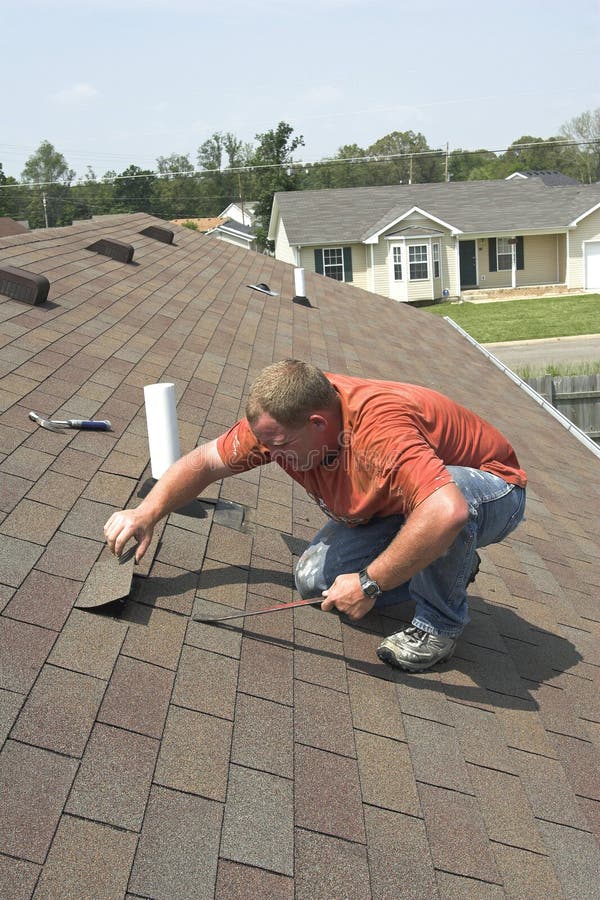
A durable, leak-free roof begins with prompt and accurate Roof Repair. Water intrusion can be deceptively destructive: a small, unnoticed leak can lead to rot, mold, insulation damage, and structural compromise over a single season. Early detection relies on a thorough inspection of common failure points such as flashing around chimneys and vents, valley seams, eaves, and roof penetrations. Effective repairs range from targeted shingle replacement and flashing resealing to addressing underlayment failures and damaged decking. Prioritizing the root cause of the leak—rather than treating surface symptoms—extends the lifespan of the entire system.
Materials and methods must match the roof’s original construction and climate demands. For example, asphalt shingles may require different sealing and fastening strategies than metal or slate. Proper ventilation and attic insulation play a major role in preventing recurring issues: trapped moisture and heat accelerate shingle deterioration and can create ice dams in winter. For homeowners seeking qualified professionals, local searches often surface experienced contractors and timely services—many property owners specify the region when searching, such as Roof Repair North Jersey, to find crews familiar with local building codes, weather patterns, and proven repair strategies.
Emergency tactics for acute leaks include temporary tarping, clog clearing for gutters and downspouts, and immediate interior protection to minimize water damage. A comprehensive repair plan will document existing conditions, propose targeted fixes, and recommend preventive maintenance schedules. Investing in quality materials and certified workmanship for repairs reduces the need for premature replacements and preserves property value.
When to Choose Roof Replacement or New Roof Installation
Deciding between repair and replacement hinges on the roof’s age, extent of damage, and long-term goals. Typical asphalt shingle systems last 20–30 years; beyond that, repeated repairs may no longer be cost-effective. Visible signs that point to a full Roof Replacement or a New Roof Installation include widespread shingle granule loss, curling or blistering shingles, multiple leaks, sagging roofline, and compromised flashing throughout the roof plane. Additionally, if the home is being updated for resale or energy upgrades, a full replacement allows for modern materials, improved ventilation, and enhanced insulation options.
Replacement provides opportunities to upgrade to higher-performing materials such as architectural shingles, metal roofing, or synthetic slate that offer superior durability and energy efficiency. When planning a new installation, selecting certified products and installers is essential to secure manufacturer warranties and ensure proper flashing, underlayment, and fastener specifications. Budgeting should account for disposal of the old roof, permit fees, and potential structural repairs discovered during the tear-off. Insurance claims for storm damage may cover part or all of a replacement if properly documented; a reputable Roofing Company will assist homeowners with estimates, documentation, and communication with insurers.
Timing also matters: large replacement projects are best scheduled in favorable weather windows to avoid delays and to ensure adhesives and sealants cure properly. Proper planning and choosing the right materials and installation crew deliver a roof that protects the home for decades while potentially lowering heating and cooling costs.
Choosing the Right Roofer: Emergency Response, Quality Assurance, and Real-World Examples
Selecting a qualified contractor affects both immediate outcomes and long-term peace of mind. Key criteria include licensing, insurance, references, written estimates, and clear warranty terms. Emergency situations demand rapid response—an Emergency Roof Repair team should be available 24/7 for tarp installation, temporary sealing, and safety assessments. Reputation can be evaluated through project portfolios, local reviews, and referrals; searching “Roofer near me” often yields candidates, but vetting for local experience and emergency responsiveness ensures practical capability.
Real-world examples illustrate how the right approach matters. In one suburban North Jersey case, a home with chronic attic moisture and periodic leaks underwent a comprehensive audit that uncovered inadequate ventilation, failed flashing, and compromised underlayment. Targeted repairs combined with upgraded ridge vents and new flashing eliminated repeat leaks and reduced attic humidity, demonstrating how combined repair and ventilation upgrades avert premature replacement. In another instance, a coastal property with wind-driven shingle loss required immediate emergency intervention followed by a complete roof replacement; choosing impact-rated materials and reinforced fastening patterns minimized future wind damage and met insurance guidelines.
Quality assurance practices include documented pre- and post-work inspections, photographic evidence for warranty and insurance records, and transparent maintenance plans. Contracts should detail material specifications, cleanup responsibilities, payment schedules, and start/finish dates. Long-term value is built through proper installation, timely emergency support, and preventive maintenance—elements that distinguish reliable regional providers such as experienced American Roof Repair & Replacement teams from general handymen. Prioritize clear communication, written guarantees, and contractors who can provide local case studies and verifiable results.