A door stopper is small, but it works in a high-contact zone. It meets the door, absorbs daily movement, and remains visible long after the installation is finished. That is why the construction material matters as much as the shape. In CHAOLANG’s door stopper range, solid stainless steel panels are named as a defining feature across a full series of door holders, including wall-mounted, floor-mounted, magnetic and foot-operated styles. The panel is the stable face of the product, the part that carries the finish and gives the stopper its visual identity. For buyers choosing a Custom Door Stopper, understanding that panel is the first step toward choosing a finish that will work in the room, on the project, and alongside the rest of the door hardware.
The Panel as the Stopper’s Working Surface
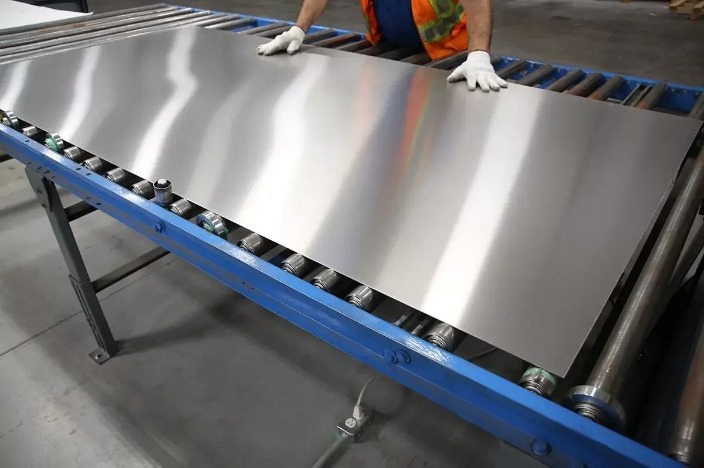
In a custom door stopper, the solid stainless steel panel is more than a decorative cover. It is the element users see and touch, and it is the surface that represents the product’s quality in everyday use. The door stopper page lists stainless steel magnetic door stoppers in low-noise, invisible, floor-mounted and heavy-duty variants, and it presents solid stainless steel panels across the wider series. That consistency matters because a wall-mounted stopper, a floor-mounted stopper, a magnetic holder and a foot-operated stop each meet the door in a different way. A wall-mounted unit presents its panel at hand height, where the finish is easy to see. A floor-mounted unit places the panel low in the room, where it must relate to flooring and skirting. A magnetic model pairs the panel with a magnetic suction system that can be adjusted. A foot-operated model adds pedal action, and the page notes that pedal rebound can be optimized. Through all of these formats, the solid stainless steel panel remains the common material platform, so the product family keeps a coherent look even when the mechanism changes.
How Panel Shape and Thickness Become Custom Details
Because the panel is a defined part of the product, customization often begins with its geometry. The door stopper page lists appearance and size customization that includes length, height, base shape and panel thickness, as well as new molds. For a buyer, this means a Custom Door Stopper can be adapted not only by changing color but by adjusting the physical presence of the panel. A longer panel, a different base outline or a thicker panel changes how the stopper sits in the room and how it relates to the door, the wall, and nearby hardware. These are practical details, not merely aesthetic ones: the panel is the part that gives the stopper its footprint and its visual weight. Keeping solid stainless steel panels as the base material allows those shape changes to remain part of a unified product language rather than a collection of unrelated parts.
Pairing Solid Stainless Steel Panels with the Four Standard Finishes
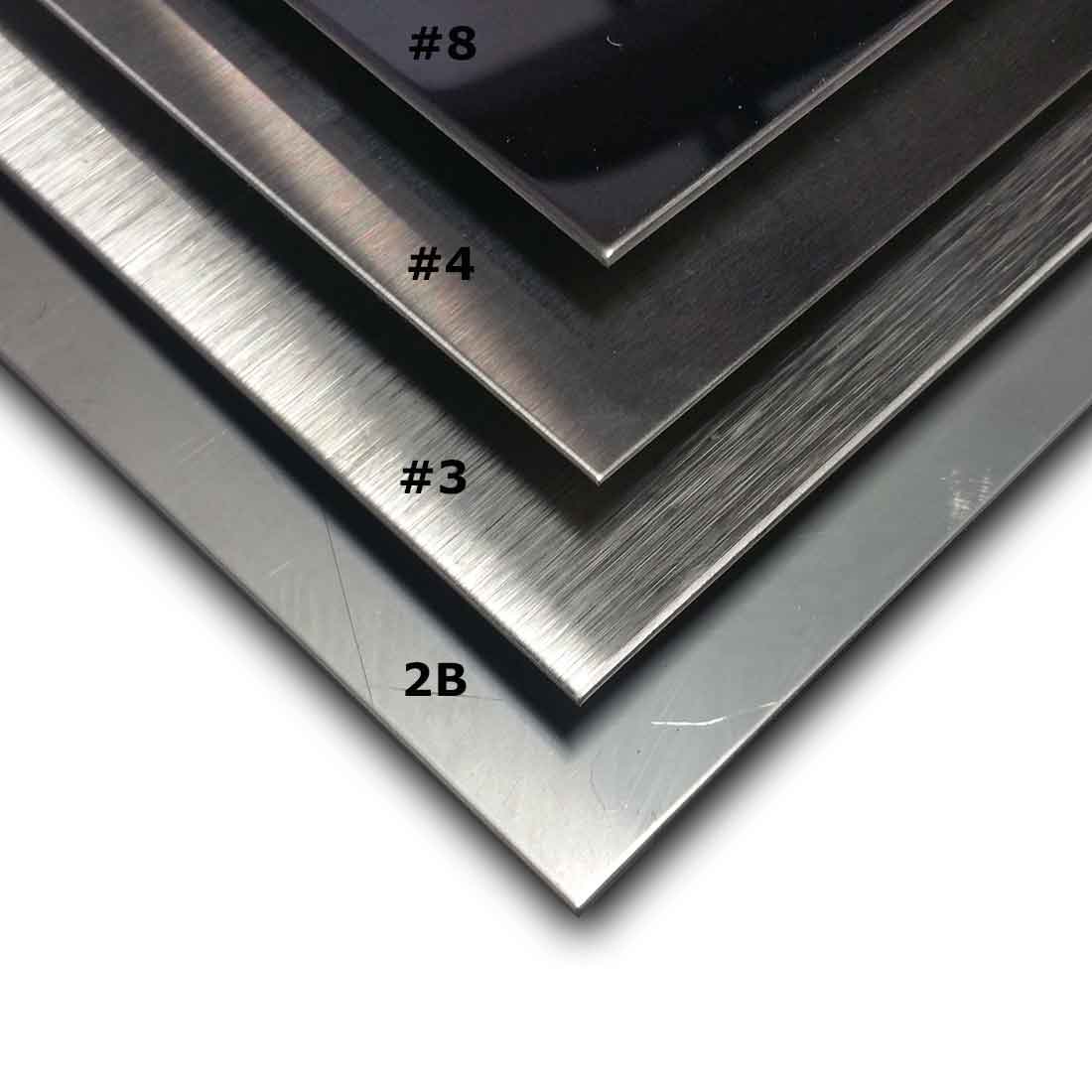
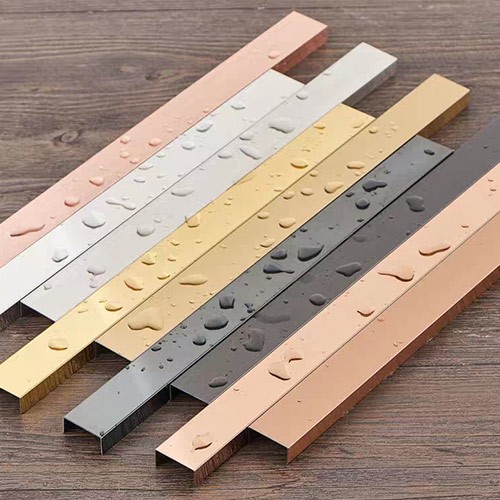
The door stopper series lists four optional finish colors: brushed nickel, champagne gold, galaxy grey and matte black. Each finish changes how the solid stainless steel panel reads in a space.
Brushed nickel is a neutral, metallic choice that can sit comfortably with many door hardware schemes.
Champagne gold brings a warmer tone and can act as a deliberate accent in a room.
Galaxy grey offers a cooler, contemporary character for projects that prefer restrained color.
Matte black creates strong contrast and gives the stopper a more graphic presence against lighter doors and walls.
These four finishes are standard options, not the outer limit. The page states that surface color and texture can go beyond them through custom electroplating, brushed, polished and spray-paint finishes with exclusive color matching. That flexibility is important because a door stopper is rarely specified in isolation. It shares a doorway with hinges, handles, lock bodies and other hardware. The door handle page describes a cohesive finish-matching system so handle finishes can mirror hinges, lock bodies and door stoppers. A solid stainless steel panel provides a consistent material starting point for that coordination, making it easier to treat the stopper as part of one finish family rather than as a separate accessory.
From Finish Selection to Project-Ready Supply
Finish choice becomes more valuable when it can be repeated across an order. The door stopper page supports mixed-type and mixed-color trial orders, as well as adjusted material thickness for bulk engineering orders. This suits the audiences the company names: large and medium building-material retailers, distributors and wholesalers, door factories and contractors, and project and engineering buyers. A retailer may want to test a small palette of finishes. A door factory may need stoppers that match a hardware set. A project buyer may need several stopper types coordinated under one finish direction. The company presents a one-stop custom door stopper and hardware solution from a self-owned factory with large-scale automated production, and it states ANSI/EN/AS-compliant solutions. It also describes flexible MOQs, small trial orders and mass project orders. In that context, the solid stainless steel panel is the construction anchor, while the finish is the variable that ties the stopper to the wider hardware scheme.
The panel and the finish should not be treated as separate decisions. The solid stainless steel panel is the reason the stopper feels like a solid piece of hardware; the finish is the reason it belongs in the room. When a Custom Door Stopper is built around a solid stainless steel panel, the surface has a dependable base for standard or custom color work. When that finish is extended through exclusive color matching, the stopper can move from a small functional detail to a coordinated part of the doorway. CHAOLANG’s door stopper range brings those elements together through listed panel construction, four standard finish colors, custom surface treatments, and project-oriented customization options.