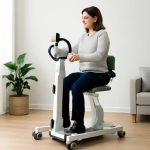
For caregivers and patients alike, the simple act of moving from a seated position to standing can be one of the most challenging and risky daily activities. Traditional manual lifting places immense physical strain on a caregiver’s back and shoulders, while simultaneously putting the patient at risk of falls or loss of dignity. The evolution of patient handling technology has culminated in the development of the electric sit to stand lift, a device that fundamentally changes the dynamics of assisted transfers. Unlike full-body sling lifts that require complete patient passivity, sit to stand lifts are designed for individuals who possess at least some weight-bearing capability and upper body strength. This distinction is crucial, as it encourages patient participation, maintains muscle tone, and preserves a level of independence that can significantly impact psychological well-being. The integration of electric power into these lifts has further refined the process, replacing the manual cranks and hydraulic pumps of yesteryear with a smooth, battery-operated mechanism. This article explores how these sophisticated devices are shaping modern care, offering a blend of enhanced safety, operational efficiency, and improved patient outcomes.
Smooth Transitions: How Electric Power Transforms Patient Transfers
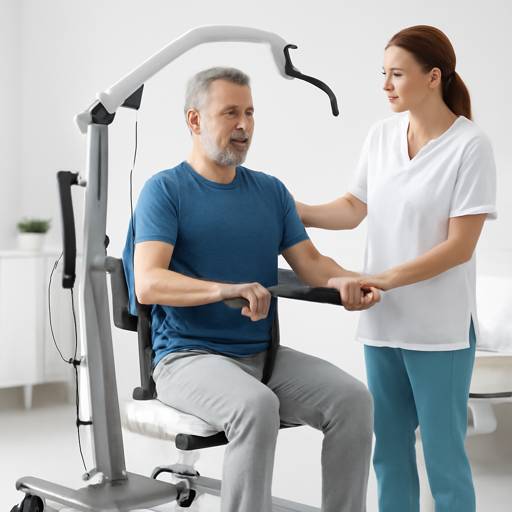
The defining feature of the modern electric sit to stand lift is its reliance on a battery-powered motor to handle the heavy lifting, quite literally. This transition from manual to electric operation has profound implications for both the care provider and the recipient. When a caregiver initiates a transfer, the electronic controls allow for a controlled, steady ascent. There is no sudden jerking motion or uneven pressure that can occur with manual hydraulics. The lift mechanism smoothly distributes the patient's weight as they transition from a seat to a standing position, guided by a supportive vest or sling that wraps around their back and under their arms. This stability is paramount for building patient trust. An individual who feels secure is more likely to actively engage their leg muscles and assist in the stand, which is the primary therapeutic goal of a sit to stand transfer. Moreover, the electric motor eliminates the physical exertion required from the caregiver to pump a handle. This reduces the cumulative strain on the caregiver's musculoskeletal system, a leading cause of injury in healthcare and home care settings. The operational simplicity also speeds up the transfer process. With a simple push of a button, the caregiver can focus entirely on the patient's alignment and safety, rather than dividing their attention between the patient and the physical effort of the lift. The predictability and smoothness of the electric drive make the electric sit to stand lift an indispensable tool in any environment where frequent transfers occur.
Beyond the mechanics of the lift itself, the electric functionality integrates seamlessly with other patient care technologies. Many modern units feature adjustable knee pads and foot platforms that can be repositioned with electric controls, allowing the lift to be customized to the patient's specific anthropometric needs. This ensures that the patient's knees are correctly aligned to prevent slipping and that their feet are comfortably planted for a stable base. The battery systems are also a point of innovation. High-capacity rechargeable batteries allow for dozens of lifts on a single charge, meaning the lift is ready when needed without being tethered to a power outlet. For home users, this portability is a game-changer, allowing the device to be moved from bedroom to bathroom with ease. The quiet operation of the electric motor is another often-overlooked benefit. In a quiet hospital or a private home, the near-silent hum of the motor is far less disruptive than the clanking and clicking of older mechanical systems, helping to maintain a calm and therapeutic environment during a potentially stressful task. Ultimately, the electric power system transforms the sit to stand lift from a simple mechanical aid into a precision instrument for safe, dignified mobility.
Reducing Risk: The Biomechanical and Safety Advantages
The primary motivation for employing an electric sit to stand lift is the dramatic reduction of risk for all parties involved. The biomechanical reality of manual lifting is that even a small patient can exert forces on a caregiver's spine that exceed safe limits, especially when the patient is unable to cooperate or may suddenly shift their weight. An electric lift eliminates this hazard entirely. The motorized mechanism bears the brunt of the weight, transferring the load from the caregiver's fragile lumbar discs to the machine’s robust steel frame. This allows caregivers, whether they are nurses or family members, to perform transfers without the fear of acute injury or the long-term degenerative effects of chronic strain. For the patient, the risk profile is equally improved. Controlled, electric-powered movement reduces the chance of a sudden stumble or a misstep that could lead to a fall. The wide base of the lift provides exceptional stability, and the secure upper body support prevents the patient from leaning too far forward or toppling sideways. This mechanical security translates directly into enhanced psychological safety. Patients who are fearful of falling are more likely to resist transfer attempts, creating a dangerous cycle of struggle. The gentle, unwavering support of the electric lift replaces that fear with confidence, fostering a cooperative spirit that makes the entire process safer and more efficient.
Further cementing its role as a safety tool, the design of modern sit to stand lifts incorporates multiple fail-safes. Emergency stop buttons are within easy reach of the caregiver, and many units have a manual backup release system. In the event of a power failure or battery depletion, the caregiver can manually lower the patient to a seated position using a release valve, preventing any scenario where the patient is left suspended. The material of the sling or vest is also engineered for safety, often being constructed from high-tensile, breathable fabric that grips the patient securely without causing skin shear or pressure points. This is particularly important for patients with fragile skin or those who are at risk for pressure injuries. The foot platform is another critical safety feature, often coated with a non-slip material to ensure the patient’s feet do not slide during the transition. By addressing every stage of the transfer—from the initial sit, through the standing phase, to the pivot or repositioning—the electric lift creates a comprehensive safety net. This systematic approach to risk management is why these devices are now considered a standard of care in progressive rehabilitation and long-term care facilities. They don't just assist with movement; they actively prevent the common, costly, and painful injuries that plague manual patient handling.
Real-World Applications and Clinical Outcomes
The theoretical benefits of an electric sit to stand lift are best understood when examined through the lens of real-world application. Consider a case study from a busy rehabilitation unit specializing in total knee replacements. Prior to introducing a fleet of electric sit to stand lifts, the unit reported a high rate of staff back injuries and a patient population that was often anxious about their first post-operative weight-bearing experiences. After implementing the lifts, the unit saw a 40% reduction in staff injury claims related to patient transfers within the first year. More importantly, patient outcomes improved. Physical therapists noted that patients using the electric lift were more willing to attempt standing earlier in their recovery. The predictable, smooth lift cycle allowed patients to practice weight shifting and balance without the fear of falling, accelerating their progress toward independent ambulation. The lift became not just a transfer tool, but an integral part of the rehabilitation protocol. Another example can be found in home care for individuals with progressive neuromuscular conditions like Multiple Sclerosis. As the disease progresses, the patient's ability to stand independently wanes, but they often retain significant upper body strength for months or years. An electric sit to stand lift in this context allows the patient to remain an active participant in their own care, standing to transfer to a commode or wheelchair with the lift’s assistance. This preserves their dignity and delays the need for a full-body sling lift, which is often perceived as more passive and intrusive.
Further enriching the discussion are applications in bariatric care. The most robust models on the market offer high weight capacities, often exceeding 400-600 pounds. Electric power is non-negotiable in these scenarios, as the forces involved are far too great for manual operation. The controlled, powerful motor ensures that even a patient with significant body mass can be transferred safely and smoothly without straining the equipment or the caregiver. These specialized lifts often feature wider bases and reinforced frames to handle the increased load. In hospice and palliative care, the role of the electric sit to stand lift is nuanced. While many patients in late-stage care may be bed-bound, those who retain some mobility benefit immensely from the ability to sit up and stand, even briefly, with the lift’s support. It allows for repositioning in a chair, which can improve breathing, reduce pressure on the skin, and provide a change of scenery that boosts morale. The gentle nature of the electric lift minimizes the discomfort that manual handling can cause to a frail patient. For caregivers looking for a reliable solution that combines power, safety, and patient engagement, exploring a quality electric sit to stand lift provides a direct path to improving daily care routines. These real-world examples consistently demonstrate that the device is more than a convenience; it is a therapeutic instrument that enhances recovery, preserves function, and protects the dignity of every individual it serves.