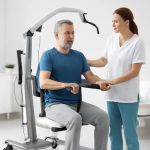
The ability to stand from a seated position is a fundamental human movement, yet for millions facing mobility challenges due to age, injury, surgery, or chronic conditions, this simple act becomes a daunting physical trial. Traditional manual transfers often place immense strain on both the patient and the caregiver, frequently leading to injuries, falls, and a loss of dignity. Enter the electric sit to stand lift, a transformative piece of medical equipment engineered to bridge the gap between total dependence and full autonomy. These powered devices are not merely mechanical aides; they are precision instruments designed to facilitate safe, controlled, and dignified transfers for individuals who retain partial weight-bearing capacity. By leveraging electricity rather than human strength, these lifts eliminate the explosive forces that often cause back injuries in healthcare workers and provide a smooth, reassuring motion for the user. The core principle is straightforward: the patient is secured in a supportive sling or vest, and a powered actuator gently tilts them forward and upward into a standing position. This process is critical for maintaining muscle tone, improving circulation, and reducing the risk of pressure sores, all while making the transfer between a bed, chair, wheelchair, or toilet seamless and secure.
The Biomechanics of Assisted Standing: Benefits Beyond the Transfer
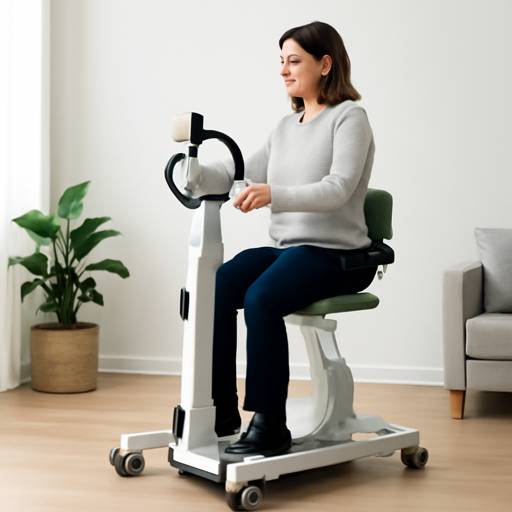
Understanding the physiological impact of using an electric sit to stand lift reveals why it is considered a superior choice for long-term care and home health environments. The biomechanics of assisted standing involve a carefully orchestrated sequence that mimics the body's natural movement pattern. When a patient uses an electric lift, the machine supports the majority of their body weight, typically through a sturdy frame that engages with a padded knee pad and a low-profile sling that wraps around the back and under the arms. This configuration aligns the patient's center of gravity directly over their feet, allowing them to engage their leg and core muscles without the fear of collapsing. This partial weight-bearing is not just a safety feature; it is a therapeutic intervention. Regular, assisted standing through these devices has been clinically shown to slow muscle atrophy, improve bone density, enhance respiratory function by expanding the lungs, and promote better bowel and bladder function. For a patient recovering from a hip replacement or a stroke, the gentle, repetitive motion of being lifted to stand reinforces neural pathways and builds confidence. The electric motor eliminates the jerky, unpredictable movements that can occur with manual lifting, reducing patient anxiety and guarding behaviors. Furthermore, the controlled descent—lowering the patient back to a seated position—is equally important for preventing dizziness and maintaining cardiovascular stability. The psychological benefit is equally profound: being lifted to eye level with caregivers and peers fosters social interaction and a sense of normalcy, directly combating the isolation that often accompanies bedridden or wheelchair-bound lifestyles. This holistic approach to mobility, addressing physical, psychological, and circulatory health, positions the electric sit to stand lift not just as a transfer tool but as an integral component of a comprehensive rehabilitation and wellness plan.
Core Features and Safety Standards in Modern Electric Lifts
Today's market offers a range of electric sit to stand lifts, but discerning buyers must look beyond the price tag to understand the critical features that define quality and safety. The heart of any high-functioning device is its motor and battery system. Modern lifts utilize sealed, deep-cycle batteries paired with powerful, quiet motors. A crucial specification is the duty cycle—the percentage of time the motor can run per hour without overheating. A higher duty cycle (e.g., 25% or more) indicates a commercial-grade unit built for heavy, repeated use in a facility. The lifting mechanism itself should operate smoothly and silently, with emergency lowering functions that work even during a power failure. Safety is paramount, and this is manifest in several design elements. The base legs are typically designed to spread automatically as the lift raises, providing a wider, more stable footprint. They must glide easily under beds and wheelchairs but lock securely in place during the lift. The knee pad should be heavily padded and contoured to prevent pressure points, and the sling attachment system must be intuitive and secure, often using a color-coded loop system for different patient sizes. Weight capacity is another non-negotiable factor; most units handle 350 to 450 pounds, but bariatric models exceed this. When evaluating a new device for your facility, comparing a quality electric sit to stand lift against manual alternatives reveals a significant reduction in required physical effort, making daily tasks safer for the care team. Look for units with clear, easily accessible control pendants, non-slip foot platforms, and sturdy casters that lock firmly. The integration of digital load sensors is a premium feature that prevents operation if the patient's weight exceeds the safe limit, adding an essential layer of failsafe protection that is vital for caregiver confidence and patient safety in any setting, from a private home to a bustling skilled nursing facility.
Real-World Impact: Case Studies in Long-Term Care and Recovery
The theoretical benefits of electric sit to stand lifts are powerfully validated by real-world data and clinical case studies. Consider the implementation at "Meadowbrook Extended Care," a 120-bed skilled nursing facility. Prior to adopting a fleet of these lifts, the facility reported an alarmingly high rate of caregiver back injuries, specifically lumbosacral strain, with an annual cost exceeding $80,000 in workers' compensation claims and lost wages. The majority of these injuries occurred during manual standing transfers of residents who were classified as "partially dependent." The facility initiated a program where every partial-weight-bearing resident was assessed, and a dedicated electric lift was assigned to their care plan. Within six months, the results were dramatic. Caregiver injury claims related to lifting dropped by 73%. More importantly, resident outcomes improved. Patients who were previously reluctant to leave their chairs due to fear of falling became more social, participating in group dining and activities. One specific case involved "Robert," an 82-year-old male recovering from a severe bout of pneumonia that left him profoundly weak. Traditional physical therapy using a walker was frustrating and slow, often ending in exhaustion. With the electric lift, Robert could be raised into a standing position safely three times a day. This allowed his physical therapist to work on weight shifting and stepping motions with much less risk. After eight weeks, Robert had regained sufficient leg strength to transition to a standard walker. In community hospital settings, another study tracked the use of these lifts on a post-surgical orthopedic ward. The data showed a 40% reduction in fall incidents during the first 24 hours post-operation when an electric sit to stand lift was used for the initial out-of-bed trial, compared to manual assistance by two staff members. The lift provided a stable, unyielding support that allowed patients to regain their balance without the variable support offered by human hands. These examples underscore a critical point: the electric sit to stand lift is not merely a piece of equipment; it is a system that systematically reduces risk, improves clinical outcomes, and enhances the quality of life for both the patient and the professional caregiver. The return on investment is measured not just in dollars saved from injury claims, but in the dignity and safety restored to every transfer.